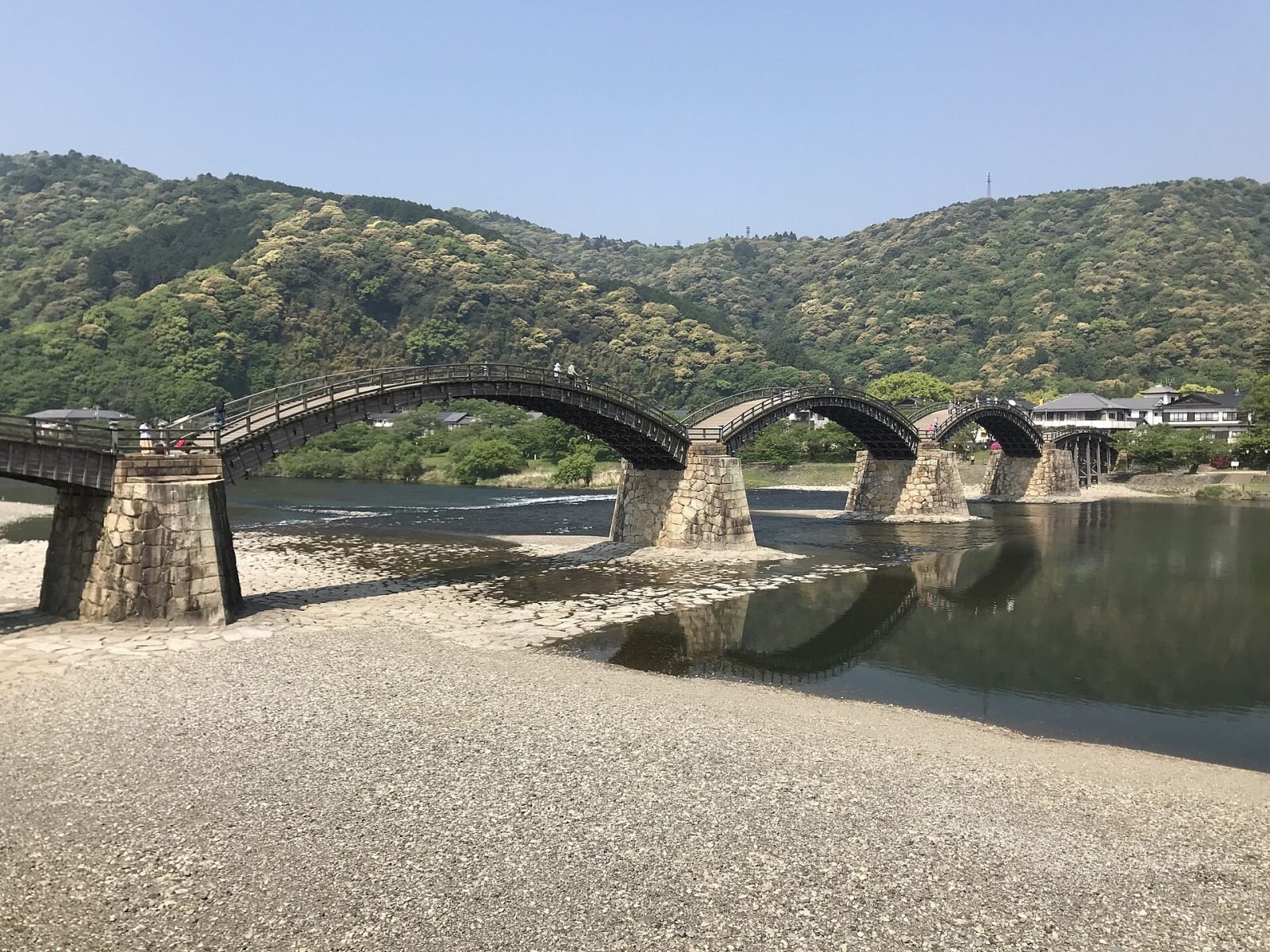
The arches of Kintaikyo Bridge across the riverbed, with houses and hills beyond

Where to stay

Where to stay in Yamaguchi

Stay in Shimonoseki for fugu and the strait, in Yamaguchi city or at Yuda Onsen for a central base with hot springs, in Hagi for history and the north coast, or in Iwakuni if you are combining Yamaguchi with Hiroshima.

The areas

Choose your base

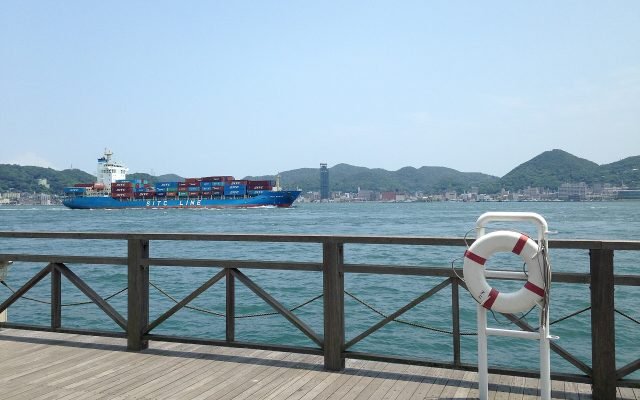
A container ship passing along the Kanmon Strait, seen from a waterfront deck in Shimonoseki Best for food

Shimonoseki

Fugu, the strait and easy trains

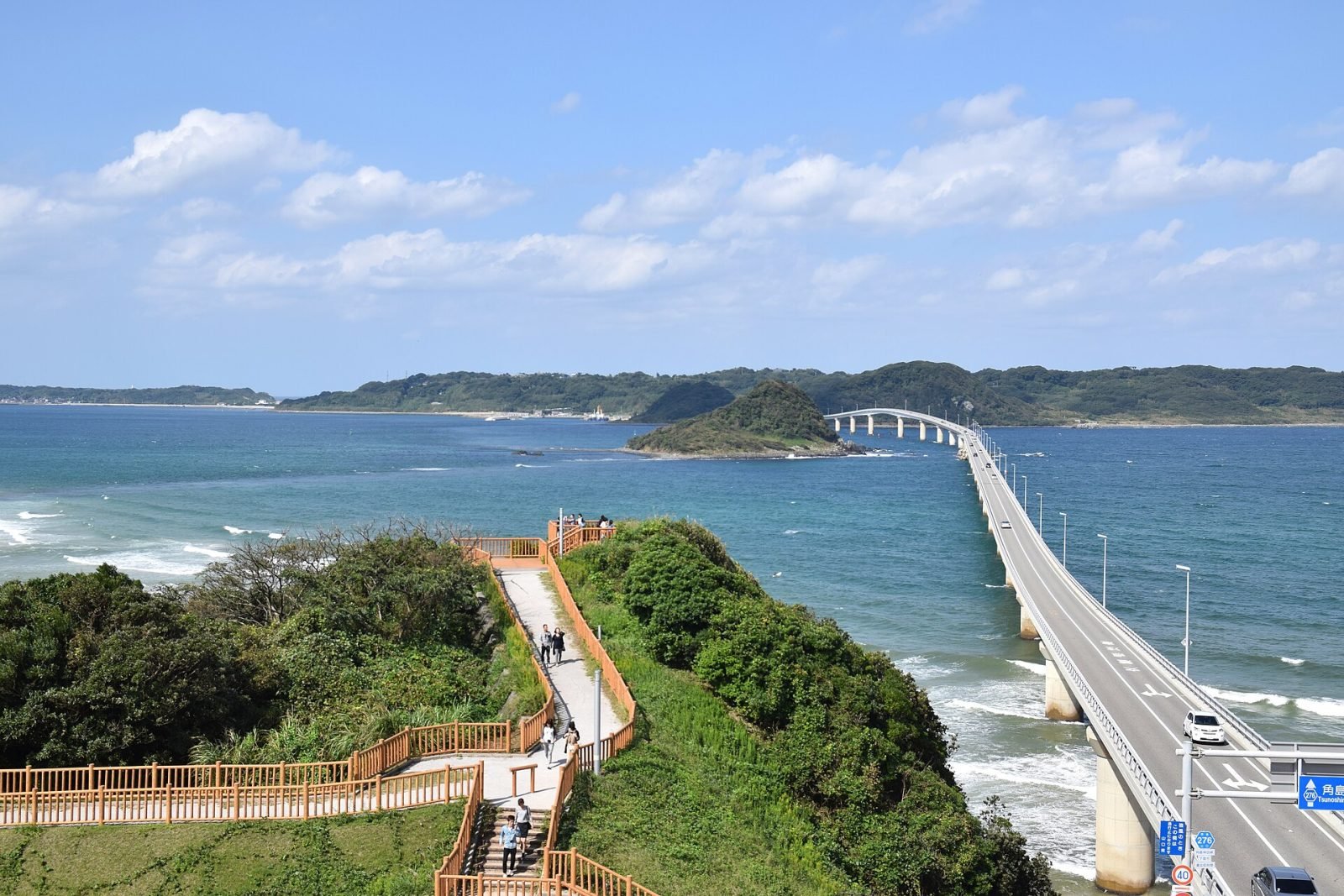
Hotels near Shimonoseki Station and the waterfront, close to Karato Market and the Kanmon Strait, and handy for Tsunoshima and trips to Fukuoka.

Best for: Food lovers and travellers coming from Kyushu

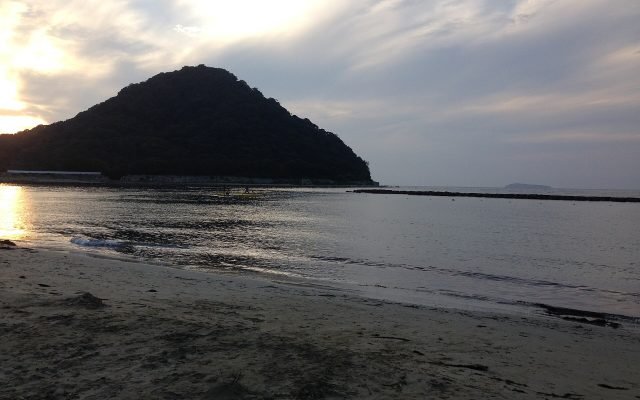
The beach of Kikugahama at dusk with the wooded hill of Mount Shizuki behind Best for history

Hagi

Ryokan by the Sea of Japan

Ryokan, hot spring hotels and guesthouses in the old castle town, a short drive from Motonosumi Shrine and Nagato.

Best for: History lovers and the north coast

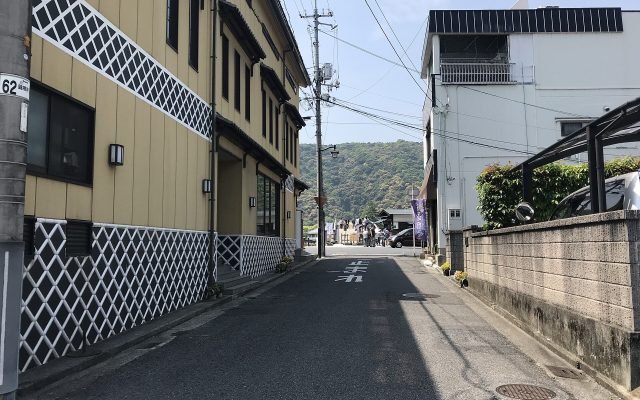
An old street of white-walled houses near Kintaikyo Bridge in Iwakuni Best near Hiroshima

Iwakuni

Kintaikyo and the Inland Sea

A handful of hotels and inns near Kintaikyo Bridge and Iwakuni Station, under an hour from Hiroshima and Miyajima.

Best for: Combining Yamaguchi with Hiroshima and Miyajima

What kind of place should you book?

Business and city hotels

Shimonoseki, Shin-Yamaguchi and Tokuyama have plenty of compact, good-value business hotels near the stations. They suit travellers moving on by train.

Ryokan and hot spring hotels

For a more traditional stay, choose a ryokan, a Japanese inn with tatami rooms, futons and a hot spring bath. Yuda Onsen in Yamaguchi city, Hagi and Nagato Yumoto Onsen have the best choice. Dinner and breakfast are usually included, often with local seafood, so check meal times when you book.

Splitting your stay

Because the prefecture has two coasts, many visitors split their stay: a night or two in Yamaguchi city or Shimonoseki, and a night in Hagi or Nagato for the north coast.

When to book, and what it costs

Prices rise during Golden Week, the Obon holidays in mid-August, cherry blossom time and autumn weekends. Ryokan in Hagi and Nagato fill up on Saturdays. In winter, fugu dinners at ryokan cost extra but are a highlight.

Things to check before you book

  • Whether meals are included, and what time dinner is served at a ryokan
  • Parking, if you are driving, and whether it costs extra
  • Whether the room is Japanese-style, with futons, or Western-style, with beds
  • Whether there is a private bath, or shared hot spring baths only
Share this
Good to know

Where to stay FAQ

What is the best area for a first visit?

Yamaguchi city and Yuda Onsen, or near Shin-Yamaguchi Station, are the most central. Shimonoseki is best for food and for Tsunoshima, and Hagi for history and the north coast.

Can I stay at a hot spring?

Yes. Yuda Onsen in Yamaguchi city, Nagato Yumoto Onsen, Tawarayama Onsen and the hot spring hotels of Hagi all have ryokan with baths. See our guide to hot springs in Yamaguchi.

Can I visit Yamaguchi from Hiroshima or Fukuoka?

Yes. Iwakuni is an easy day trip from Hiroshima, and Shimonoseki from Fukuoka. For the north coast and Akiyoshidai, though, it is better to stay in Yamaguchi for a night or two.

How far ahead should I book?

Book early for Golden Week (late April to early May), the Obon holidays in mid-August, cherry blossom time in early April and autumn weekends.

Plan your Yamaguchi trip

Book your room, then plan your days

Once you have a base, compare day tours, private guides and activities across Yamaguchi.