 Day tour
Season: Year-round
Motonosumi Shrine and Tsunoshima Bridge day tour
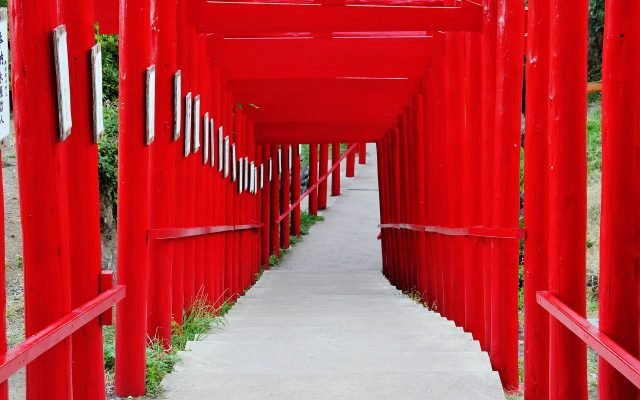
- Walk the tunnel of 123 red torii above the Sea of Japan
- Cross the long, curving bridge to Tsunoshima island

Shrine
Motonosumi Shrine, on a headland near Nagato, is one of the most photographed places in Japan. A row of 123 bright red torii gates snakes for more than 100 metres down the cliff towards the deep blue Sea of Japan. The shrine itself is young, founded in 1955, but the setting is unforgettable.
The shrine was founded in 1955 after a local fisherman said the white fox spirit of Inari, the god of good harvests and business, had appeared to him in a dream. Over the next decades, worshippers donated torii gates one by one, until 123 of them lined the path down the cliff. Seen from above, the red gates curving through the green grass against the blue sea make one of the great images of Japan, and in 2015 CNN named it among the most beautiful places in the country.
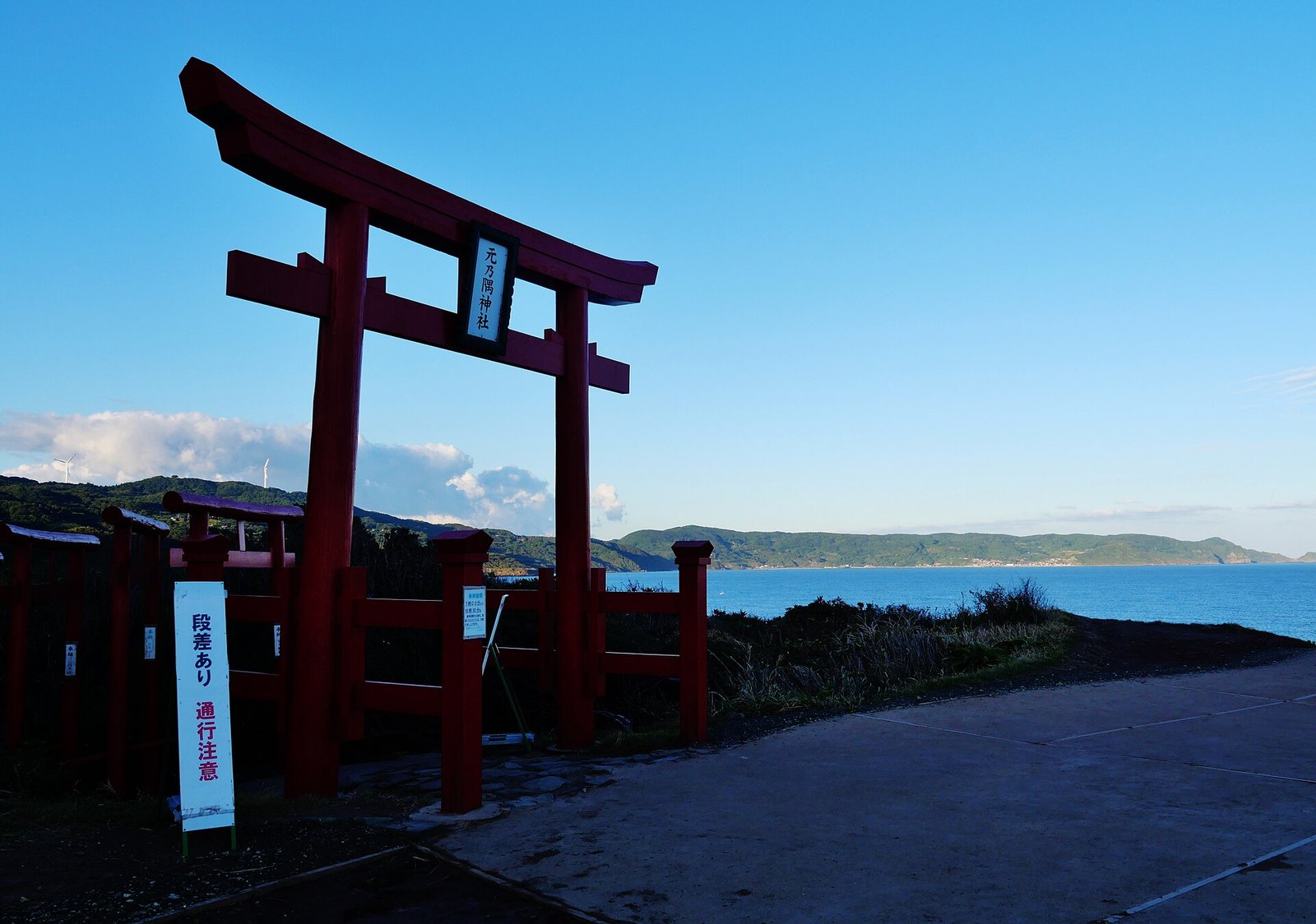
The shrine is very popular, and to manage the crowds, worship there has been partly suspended on many weekends and public holidays in 2026, while the shop and car park stay open. Check the latest arrangements on the Nagato city tourism website before you plan your visit, and come on a weekday if you can. Read our full guide to visiting Motonosumi Shrine.
Book ahead
Day tour
Season: Year-round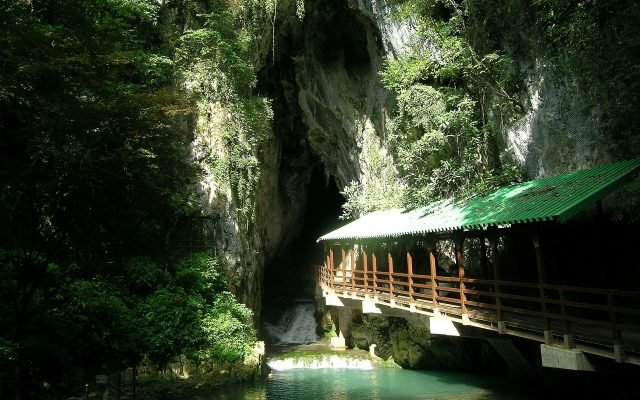 Day tour
Season: Year-round
 Private tour
Season: Year-round
Nearby
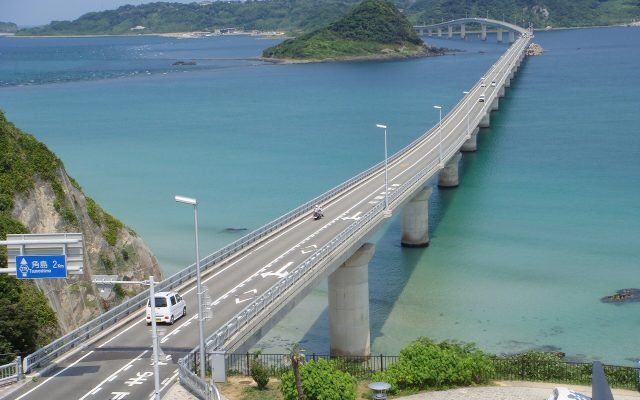 Bridge & island
A road over turquoise water
A 1,780-metre bridge curving across emerald-blue water to the island of Tsunoshima, with white beaches and a historic stone lighthouse.
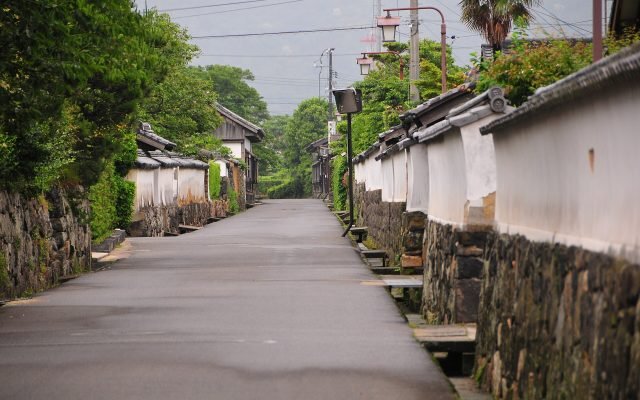 Castle town
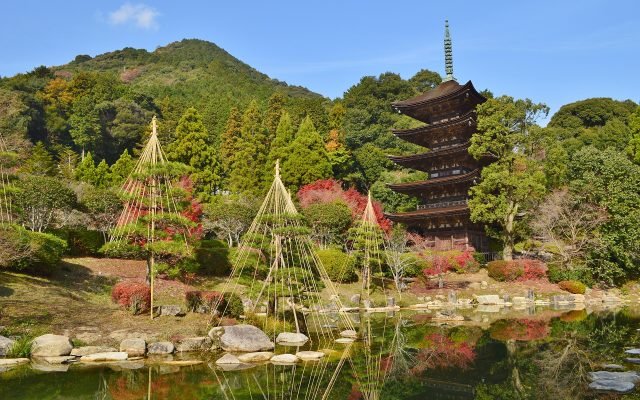
Samurai lanes and Hagi ware
The old castle town of the Mori lords on the Sea of Japan, with samurai houses, earthen walls, the school of Yoshida Shoin and the famous Hagi ware pottery.
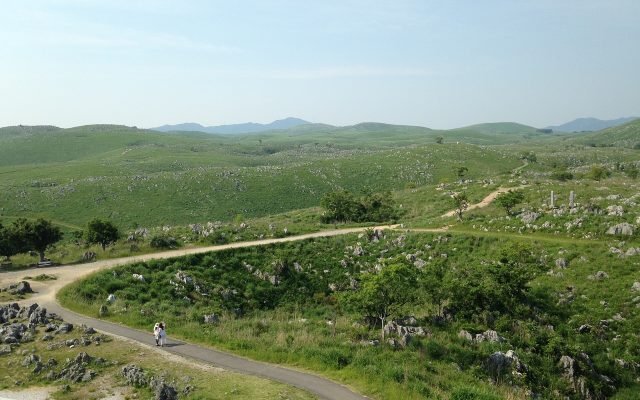 Karst & cave
A stone-studded plateau and a giant cave
Japan’s largest karst plateau, a rolling grassland dotted with white limestone pillars, above Akiyoshido, one of the biggest limestone caves in the country.