 Guided tour
Season: Year-round
Hagi castle town tours
- Walk the samurai quarter and the castle ruins
- Visit the school where Yoshida Shoin taught the men who modernised Japan

Castle town
Hagi was the capital of the powerful Mori clan for more than 250 years. Its old streets of white earthen walls, samurai gates and summer orange trees have changed little, and it was the home of many of the young samurai who helped bring down the shogunate and build modern Japan in the 1860s. Five sites in Hagi are part of a UNESCO World Heritage Site.
After losing the Battle of Sekigahara in 1600, the Mori clan were forced to move their capital to this remote spot on the Sea of Japan. For more than two centuries, the town grew into a centre of learning and crafts. In the 1850s, a young teacher called Yoshida Shoin ran a small private school here, and his students included future leaders such as Ito Hirobumi, Japan’s first prime minister. Today Hagi is a quiet, charming town that is best explored slowly, on foot or by bicycle.
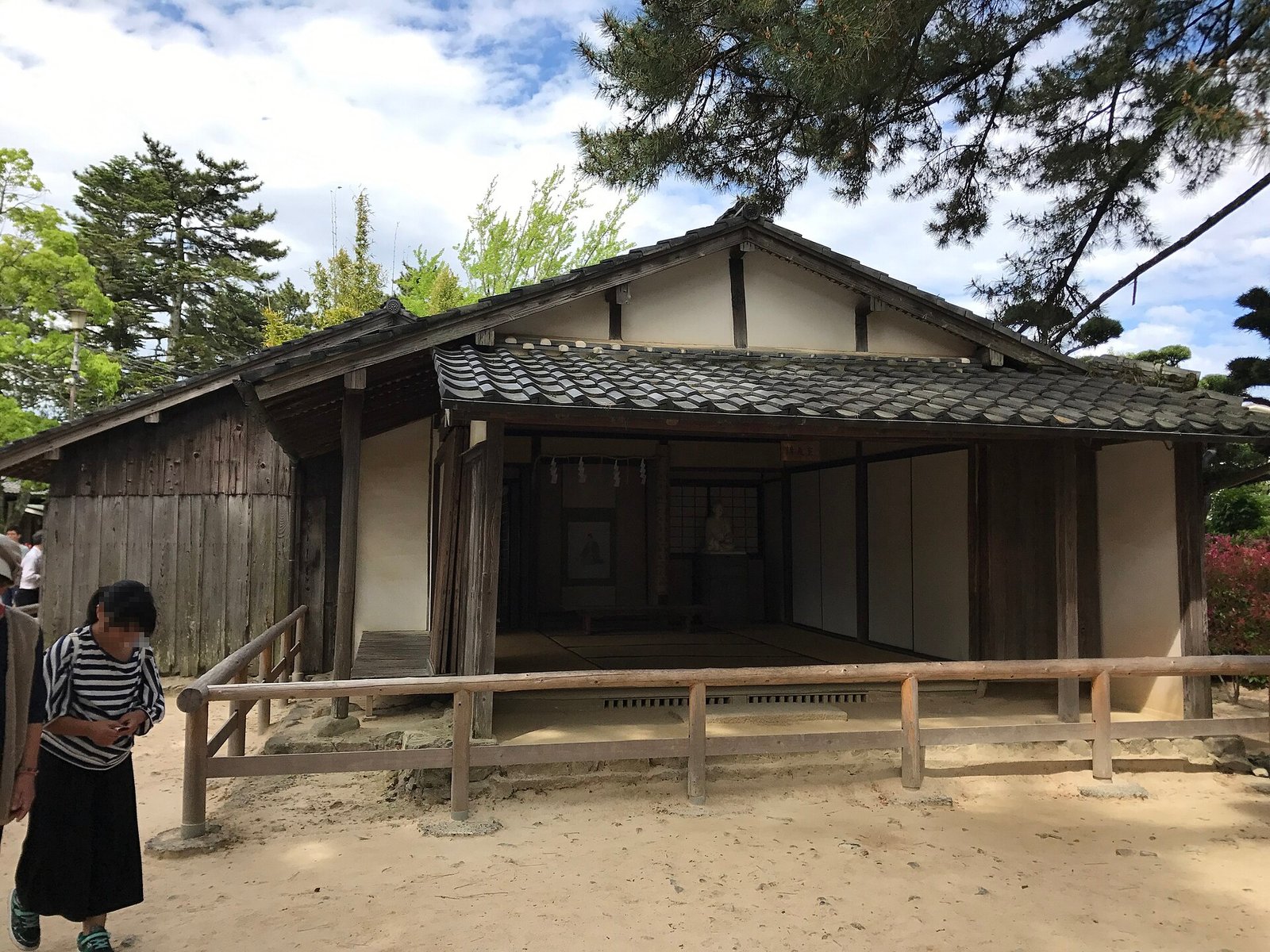
Hagi is known for fresh fish from the Sea of Japan, especially squid and sea bream, and for natsumikan, a sharp summer orange made into sweets, juice and ice cream. Read our guide to a day in Hagi.
Book ahead
Guided tour
Season: Year-round Private tour
Season: Year-round
 Day tour
Season: Year-round
Nearby
 Shrine
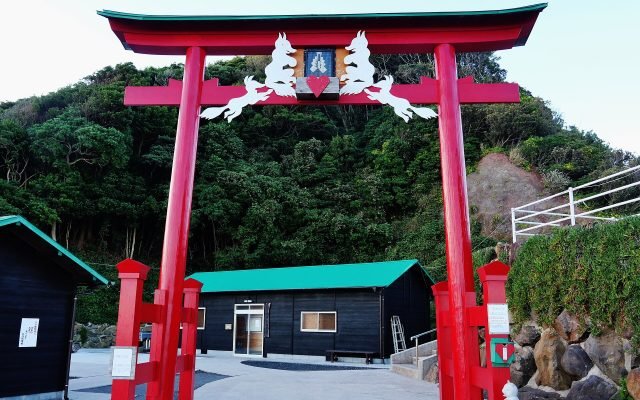
123 red torii above the sea
A line of 123 red torii gates winding down a green clifftop to the Sea of Japan, with an offering box set high on a gate that you try to throw a coin into.
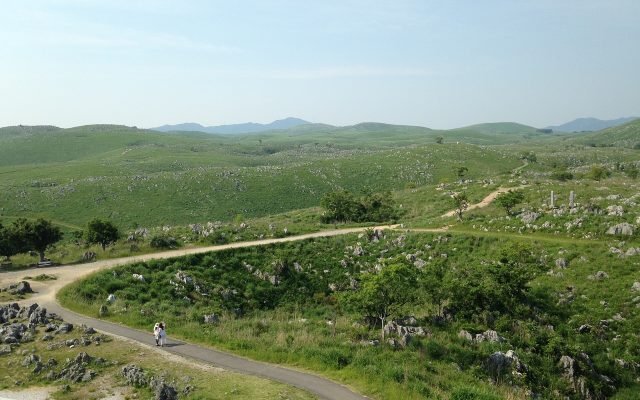 Karst & cave
A stone-studded plateau and a giant cave
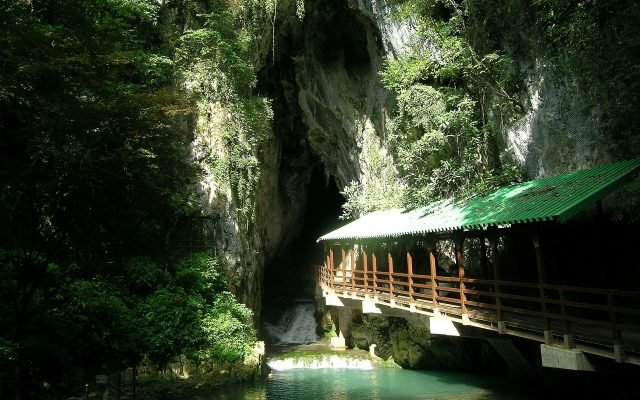
Japan’s largest karst plateau, a rolling grassland dotted with white limestone pillars, above Akiyoshido, one of the biggest limestone caves in the country.
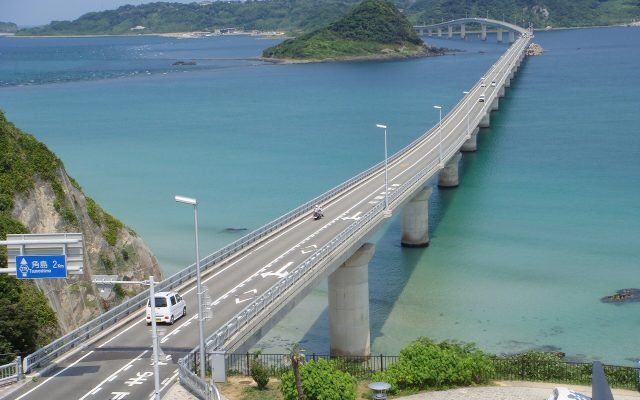 Bridge & island
A road over turquoise water
A 1,780-metre bridge curving across emerald-blue water to the island of Tsunoshima, with white beaches and a historic stone lighthouse.