 Day tour
Season: Year-round
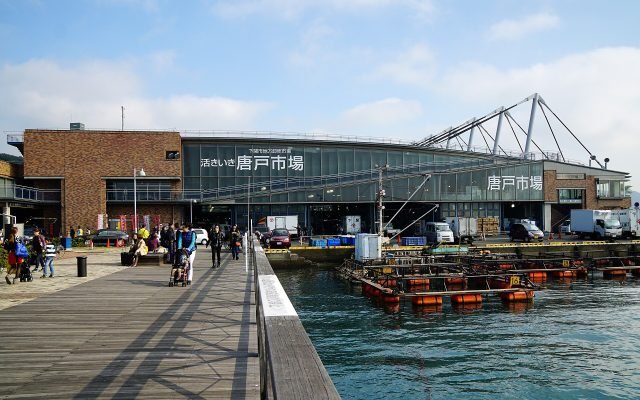
Shimonoseki and Karato Market tour
- Eat fresh sushi at Karato Market on the strait
- See Akama Shrine and the Kanmon Strait
City
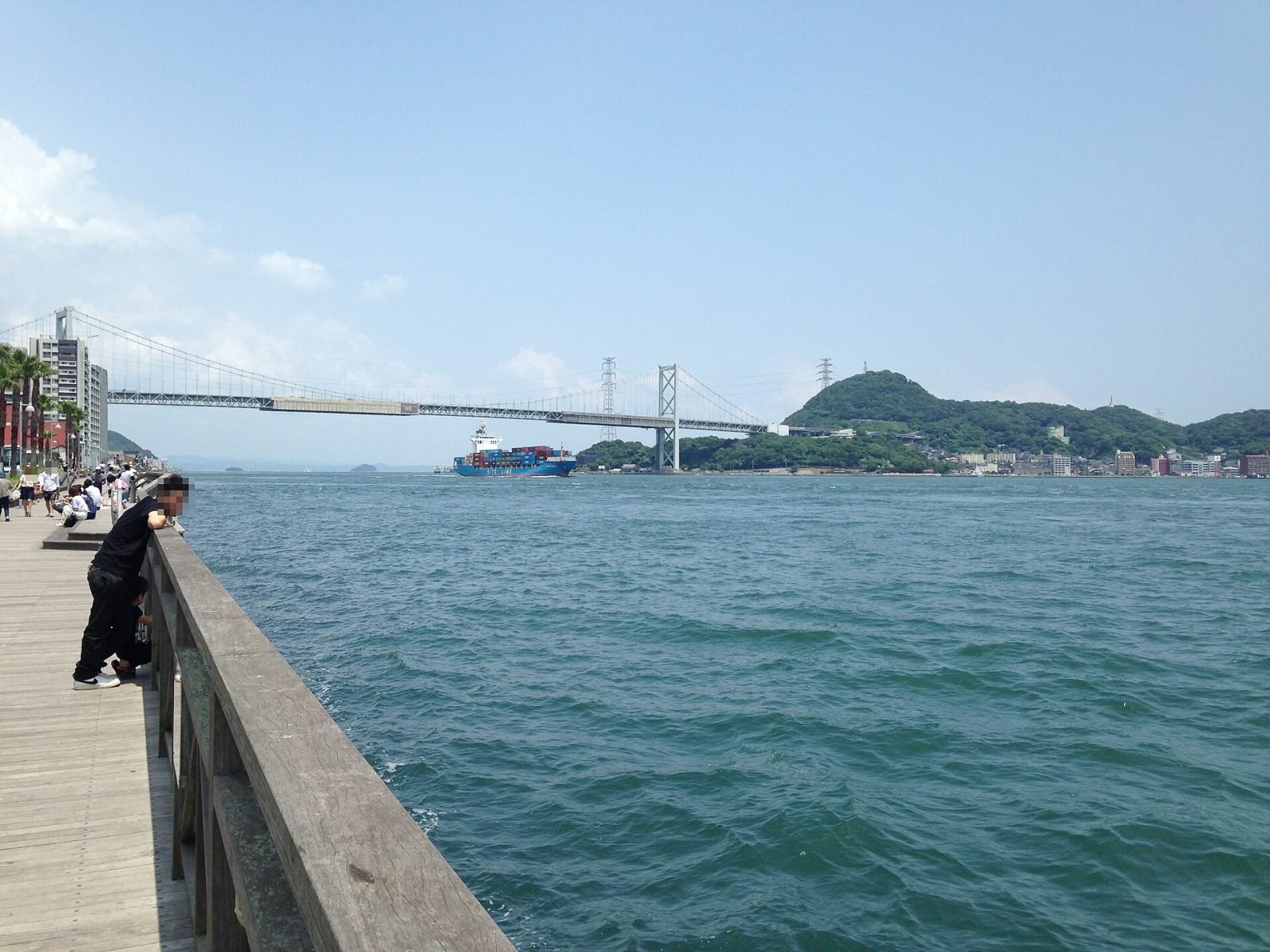
Shimonoseki sits on the Kanmon Strait, a narrow channel only about 700 metres wide that separates Honshu from Kyushu. Huge ships pass close to the shore, and the city is famous for fugu, or pufferfish, which it handles more of than anywhere else in Japan. Karato Market, Akama Shrine and a tunnel you can walk under the sea are all close together.
Shimonoseki has played a big part in Japanese history. In 1185, the Battle of Dan-no-ura was fought in the strait, ending the war between the Minamoto and Taira clans; the child emperor Antoku drowned in the waves. In 1895, the treaty that ended the First Sino-Japanese War was signed here. Today it is a lively port city with excellent seafood, and it makes a fun day trip from Fukuoka or a base for the west of the prefecture.
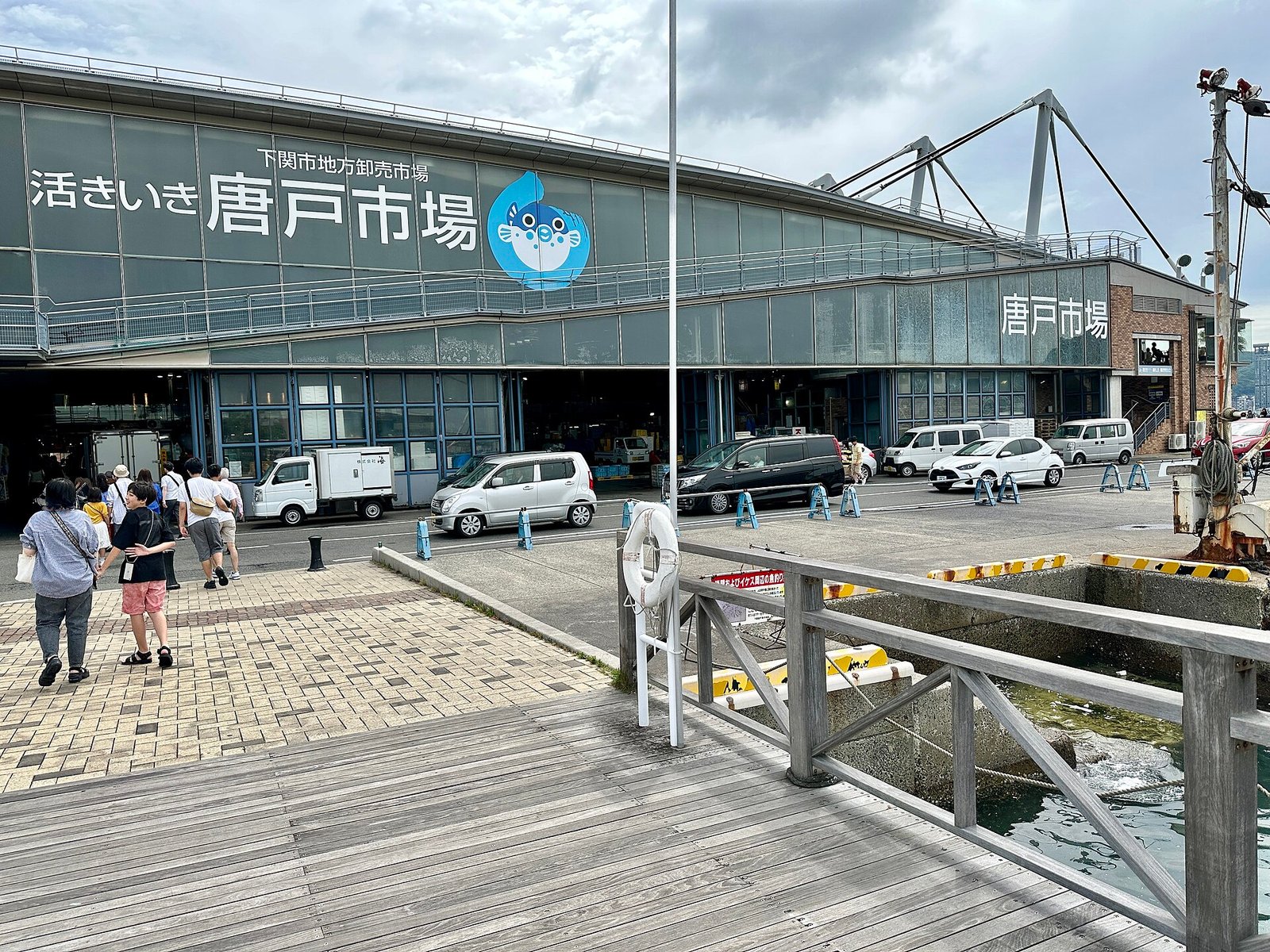
Shimonoseki is Japan’s fugu capital, where it is called fuku, which sounds like the word for good luck. The fish contains a deadly poison and is prepared only by licensed chefs. The season runs from autumn to early spring. Read our guide to what to eat in Yamaguchi.
Book ahead
Day tour
Season: Year-round Guided tour
Season: Year-round
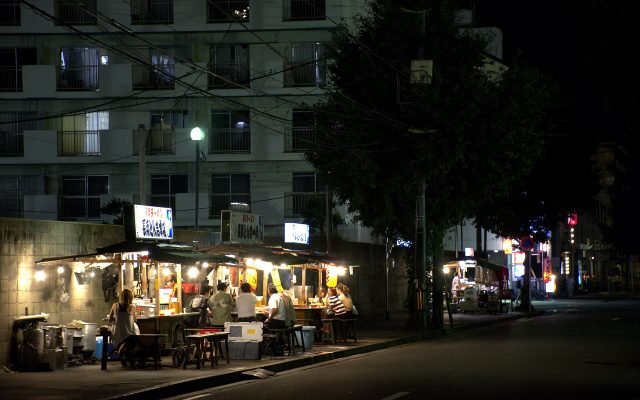 Food tour
Season: Year-round
Nearby
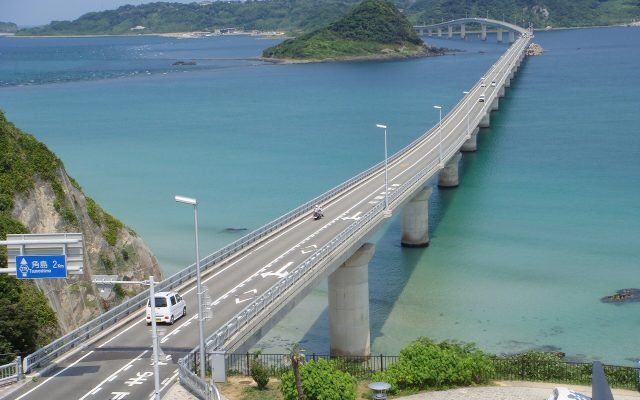 Bridge & island
A road over turquoise water
A 1,780-metre bridge curving across emerald-blue water to the island of Tsunoshima, with white beaches and a historic stone lighthouse.
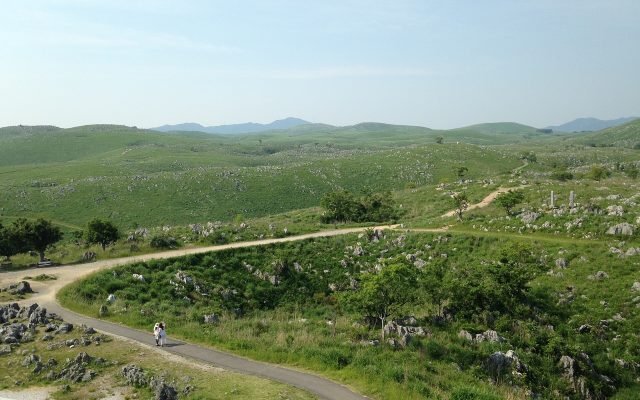 Karst & cave
A stone-studded plateau and a giant cave
Japan’s largest karst plateau, a rolling grassland dotted with white limestone pillars, above Akiyoshido, one of the biggest limestone caves in the country.
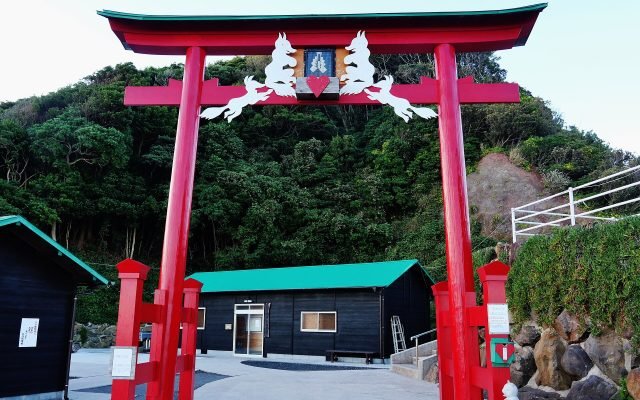 Shrine
123 red torii above the sea
A line of 123 red torii gates winding down a green clifftop to the Sea of Japan, with an offering box set high on a gate that you try to throw a coin into.