 Guided tour
Season: Year-round
Hagi castle town tours
- Walk the samurai quarter and the castle ruins
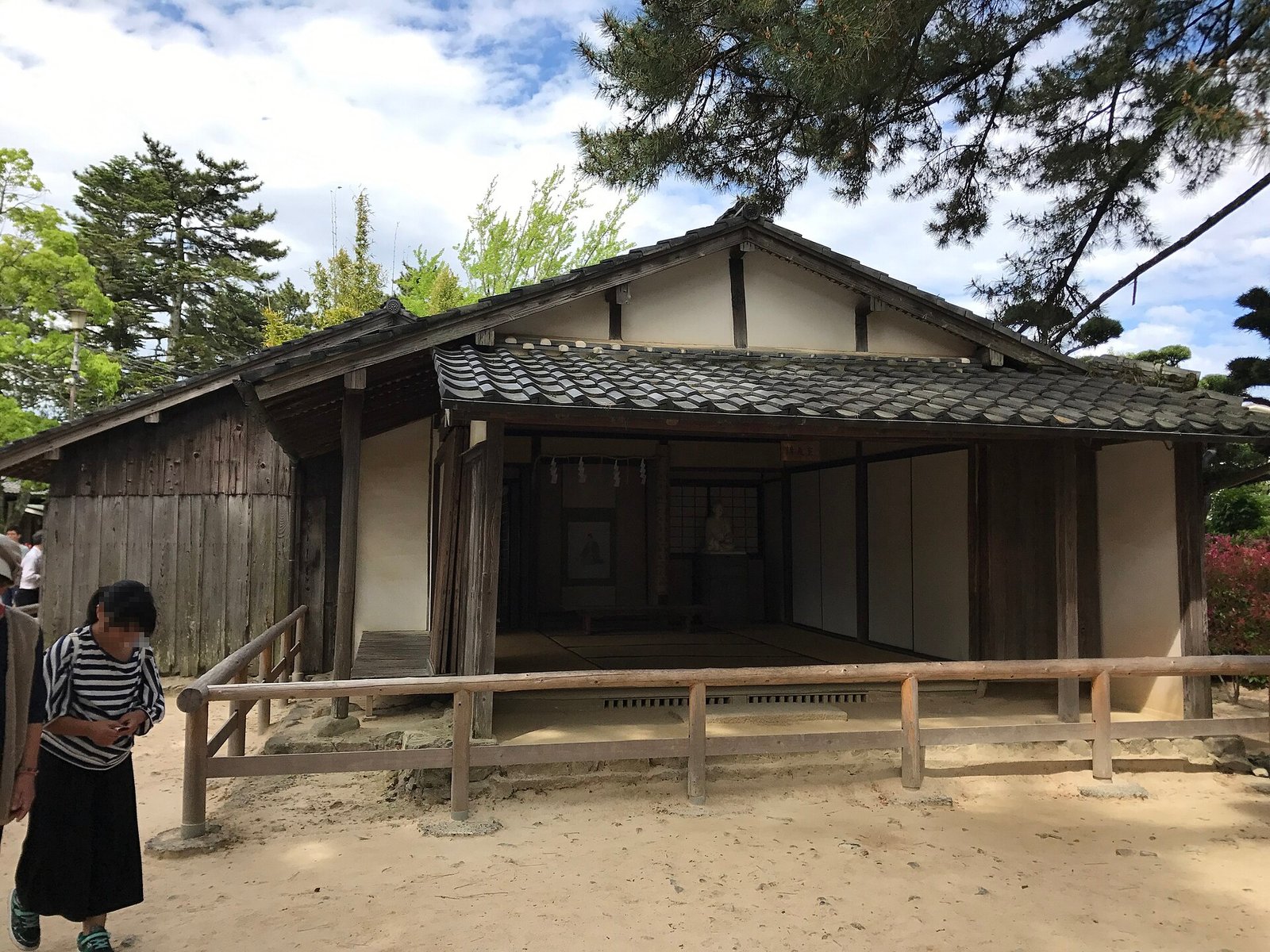
- Visit the school where Yoshida Shoin taught the men who modernised Japan
Culture
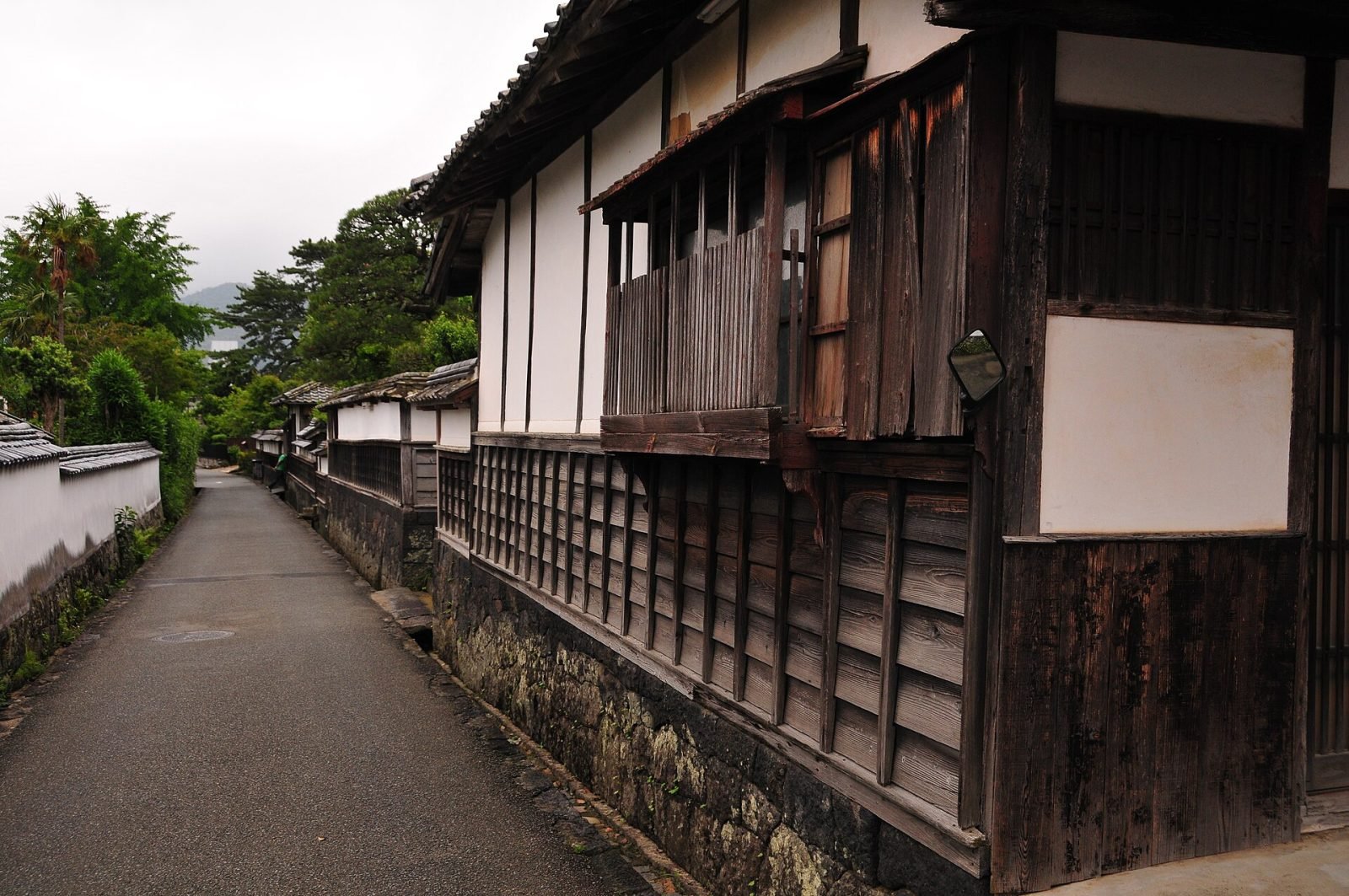
Hagi is a small town with a big place in Japanese history. For more than 250 years it was the capital of the Mori lords, and in the 1850s and 1860s it produced many of the young samurai who overthrew the shogunate and set Japan on the road to modernisation. Today it is quiet and charming, with white walls, orange trees and pottery shops.
Express buses run from Shin-Yamaguchi Station on the shinkansen to Hagi in about an hour. Hagi is flat and its sights are spread out, so rent a bicycle near the bus centre or station, or use the small circular buses around town.
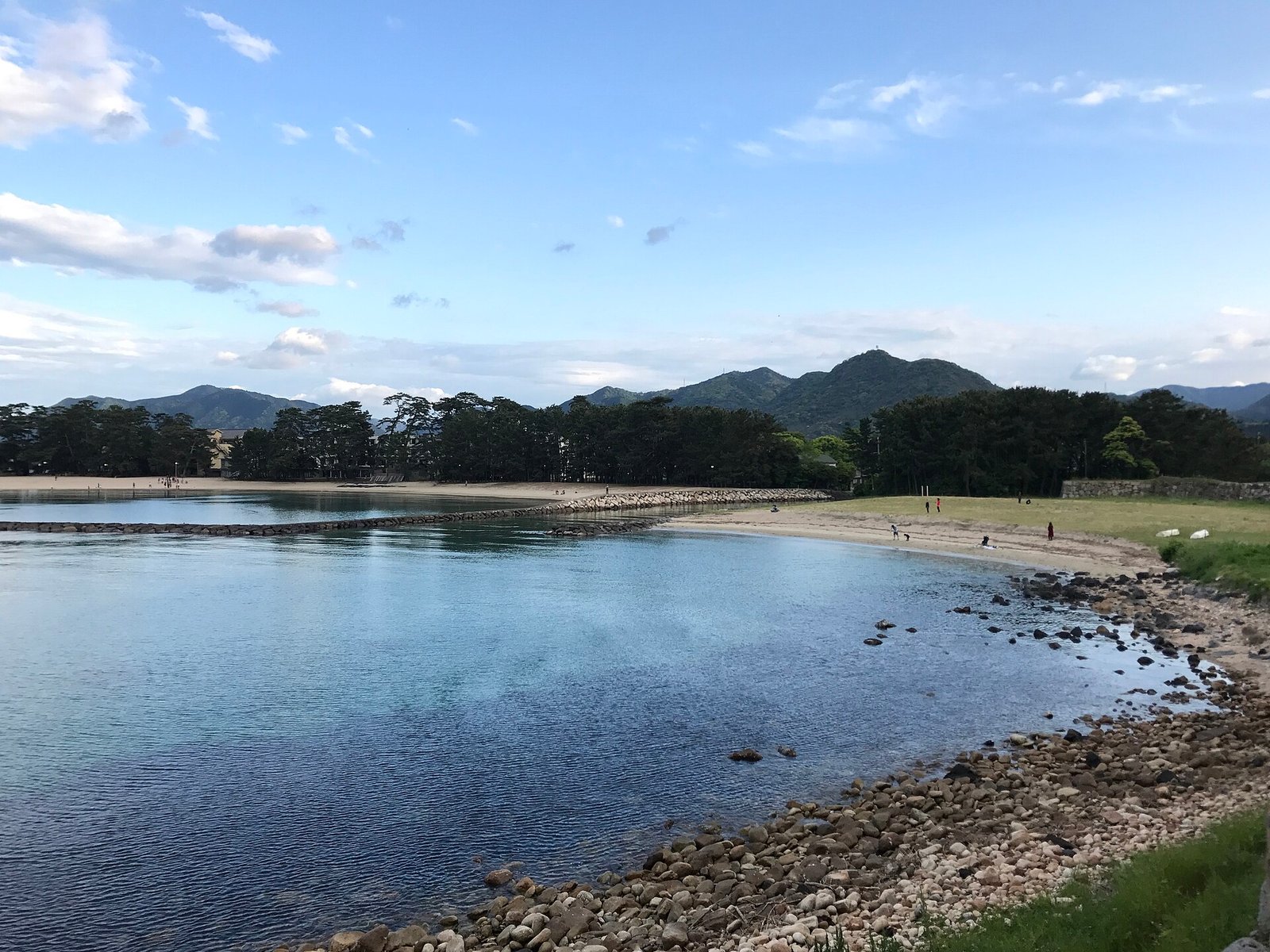
Hagi is on the Sea of Japan, so the fish is excellent. Look for sea bream and squid, and try something made with natsumikan, the tart summer orange that the samurai planted in their gardens when they lost their income in the 1870s.
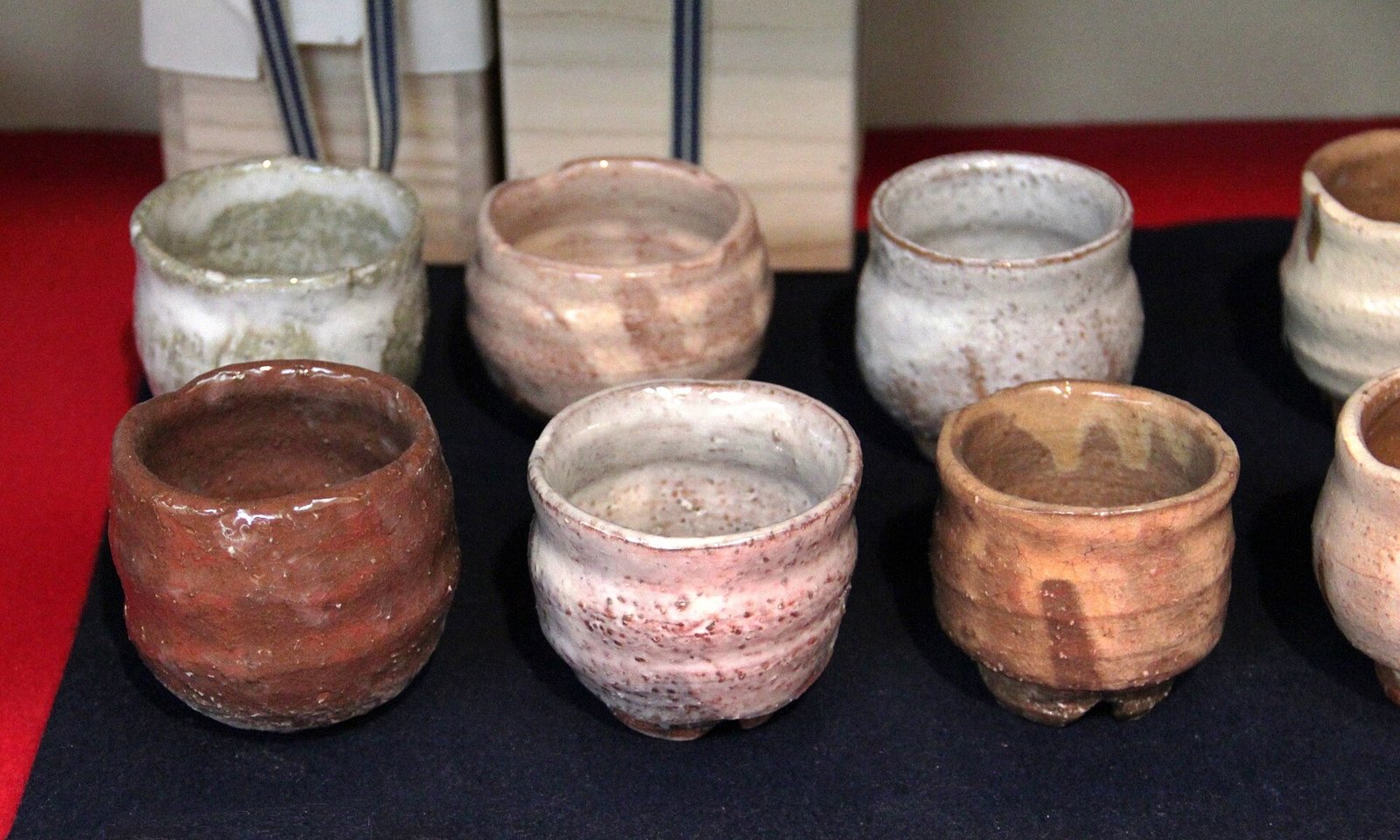
Hagi ware is one of Japan’s most admired styles of pottery for the tea ceremony, with soft glazes in milky white, pink and orange. Because the clay is porous, tea slowly seeps into the glaze, and the colour changes over years of use, which tea lovers call the “seven transformations”. Visit a kiln or gallery in town, and some offer short pottery classes.
Book ahead
Guided tour
Season: Year-round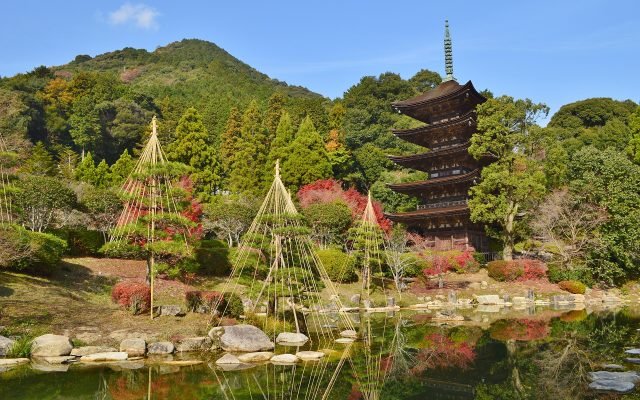 Private tour
Season: Year-round
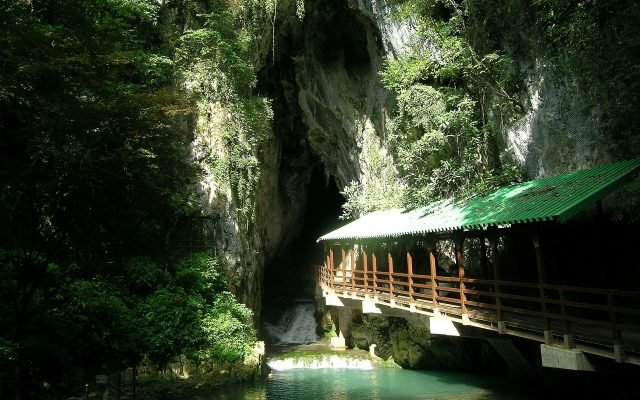 Day tour
Season: Year-round
Keep reading
 Practical
How to get around Yamaguchi Prefecture: the shinkansen and local trains, buses to Akiyoshidai and Hagi, hiring a car for the north coast, rail passes and the SL Yamaguchi steam train.
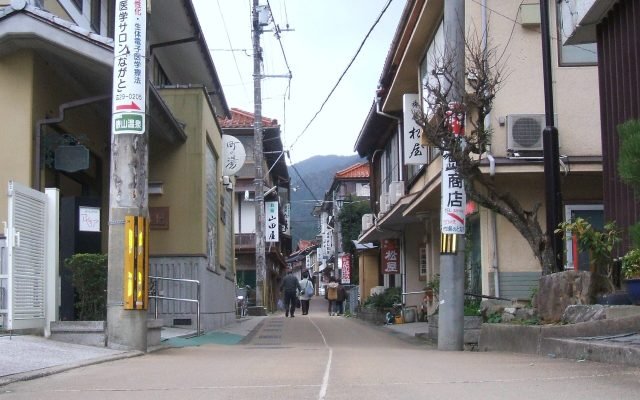 Hot springs
A guide to Yamaguchi’s hot springs: Yuda Onsen and its white fox, riverside Nagato Yumoto, the healing waters of Tawarayama, Kawatana Onsen and onsen etiquette.
 Day trips
A road trip along Yamaguchi’s Sea of Japan coast: Hagi, Omijima, Higashi-Ushirobata rice terraces, Motonosumi Shrine, Tsunoshima Bridge and on to Shimonoseki.