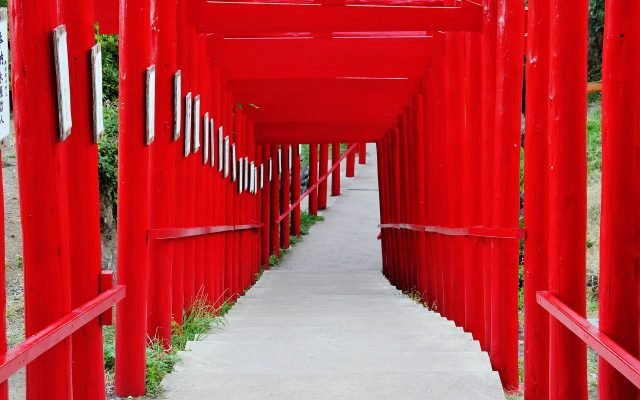
 Day tour
Season: Year-round
Motonosumi Shrine and Tsunoshima Bridge day tour
- Walk the tunnel of 123 red torii above the Sea of Japan
- Cross the long, curving bridge to Tsunoshima island
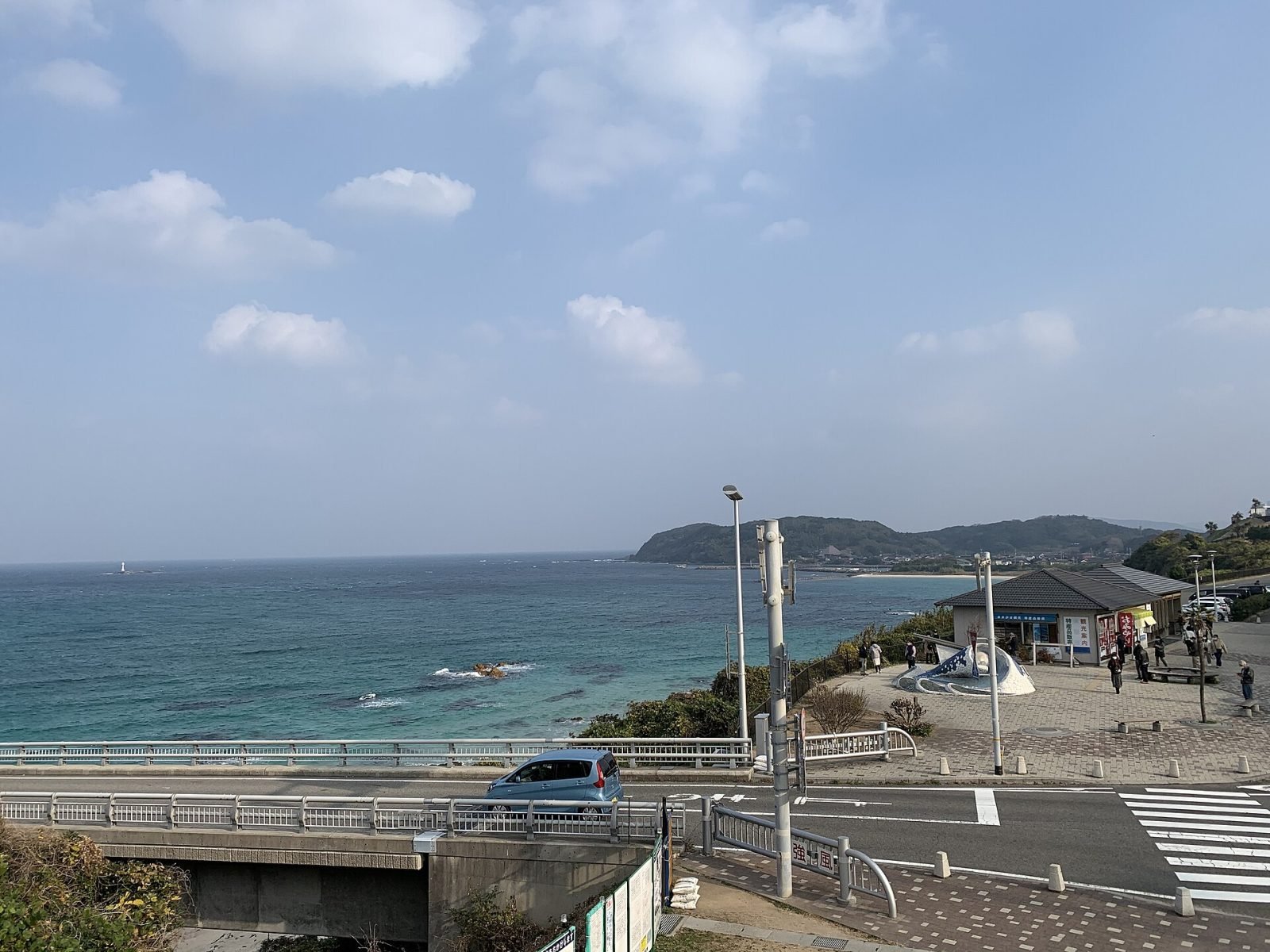
Travel guide
When to go, what to pack, money, driving, health, safety and etiquette: what to know before your first visit to Yamaguchi and western Japan.
| Location | The western tip of Honshu, Japan, between Hiroshima and Kyushu |
|---|---|
| Capital | Yamaguchi city; the largest city is Shimonoseki |
| Population | About 1.3 million in the whole prefecture |
| Time zone | Japan Standard Time (UTC+9), with no daylight saving |
| Currency | Japanese yen (JPY) |
| Plugs | Type A (and B), 100 volts |
| Emergency numbers | 110 for police, 119 for fire and ambulance |
Yamaguchi has a mild climate, with four clear seasons. The Sea of Japan coast is a little cooler and greyer in winter than the Inland Sea coast.
| Months | What to expect |
|---|---|
| March to May | Warm and pleasant, with cherry blossom at Kintaikyo and Rurikoji in late March and early April. Busy in Golden Week. |
| June to mid-July | The rainy season, with frequent rain and humid days. Fireflies glow along rivers in June. |
| Mid-July to September | Hot and humid, with highs above 30°C. The best time for the beaches of Tsunoshima. Typhoons are possible. |
| October and November | Clear and comfortable, with autumn leaves and silver grass on Akiyoshidai. |
| December to February | Cool to cold, with occasional snow inland. Fugu season and the best time for hot springs. |
Read more about the best time to visit.
Cards and mobile payments are accepted in hotels, chain stores and many restaurants, but small restaurants, market stalls, shrines and rural buses may take cash only. Convenience store ATMs accept most foreign cards. Tipping is not expected in Japan.
A car is the easiest way to see the north coast and Akiyoshidai. You need an International Driving Permit under the 1949 Geneva Convention, or an official translation of your licence for some countries. Japan drives on the left. Read our guide to getting around Yamaguchi.
Book ahead
Day tour
Season: Year-round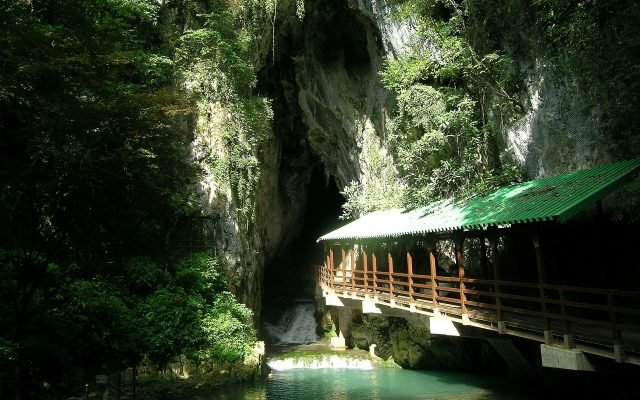 Day tour
Season: Year-round
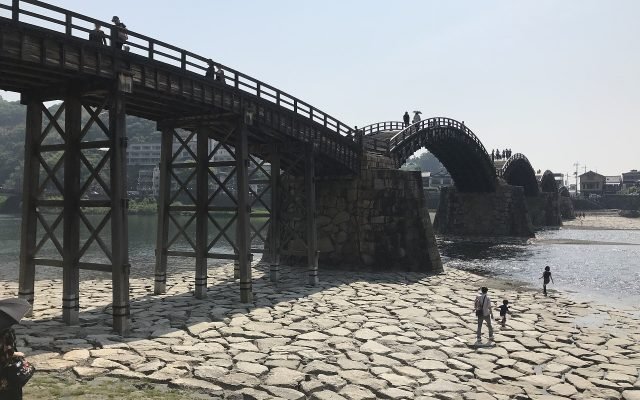 Guided tour
Season: Year-round
Good to know
Mild. Summers are hot and humid, with highs above 30°C, and winters are cool, with occasional snow inland and on the Sea of Japan coast. The rainy season runs from about early June to mid-July, and typhoons are possible from August to October.
Yes, at licensed restaurants. Fugu contains a deadly poison, and only chefs with a special licence may prepare it. Never eat fugu prepared by anyone else.
Cards are widely accepted in cities, hotels and chain stores, but carry cash in yen for small restaurants, shrines, rural buses and market stalls.
Visitors from most countries need an International Driving Permit issued under the 1949 Geneva Convention, along with their national licence. Some countries use an official Japanese translation of the licence instead. Japan drives on the left.